
Reviewed by Dr. Bob Cuyler, Chief Clinical Officer, Freespira
Panic attack symptoms can feel overwhelming in the moment, but thousands of people learn to manage them every day—and you can, too. With the right information and a few practical techniques, most people reduce the intensity and frequency of panic attack symptoms, rebuild confidence, and return to the activities they care about.
Below are nine hopeful truths about panic attack symptoms, how they relate to anxiety, and the most effective, science‑backed steps to create calm—both right now and long‑term.
1) Panic attack symptoms are uncomfortable—but temporary and survivable
A panic attack typically peaks within minutes and then resolves, even without intervention.1 Knowing this timeline helps you ride the wave with more confidence. While the sensations are intense, they’re a stress response—not a sign that you’re in immediate danger. Recognizing this reduces second‑wave fear and shortens the episode.
[Keep learning: The Science of Panic Attacks: What You May Not Know]
2) Anxiety and panic follow a predictable body pattern—which you can influence
The same fight‑or‑flight system that speeds your heart and breathing can also be dialed down with simple skills. Harvard Health explains how the stress response contributes to panic attack symptoms, and why calming inputs (breathing, posture, grounding) help your body return to baseline.2 Knowing the “why” gives you leverage to respond instead of react.
[Dive deeper: The Surprising Way Breathing May Trigger Anxiety Attacks]
3) Common panic attack symptoms have reassuring explanations
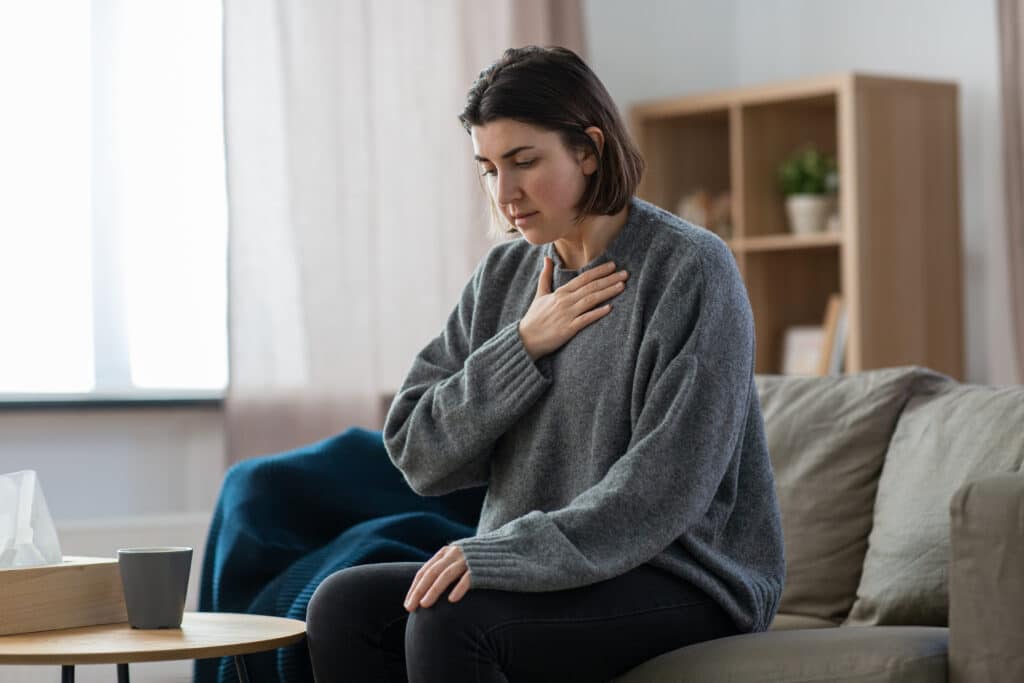
A pounding heart, shortness of breath, chest tightness, light‑headedness, and trembling are classic panic attack symptoms driven by adrenaline and breathing changes—not proof of a medical emergency or catastrophe. Understanding that these sensations are the body’s alarm system (not danger itself) makes them less frightening the next time they arise.3
4) Better sleep creates a calmer tomorrow
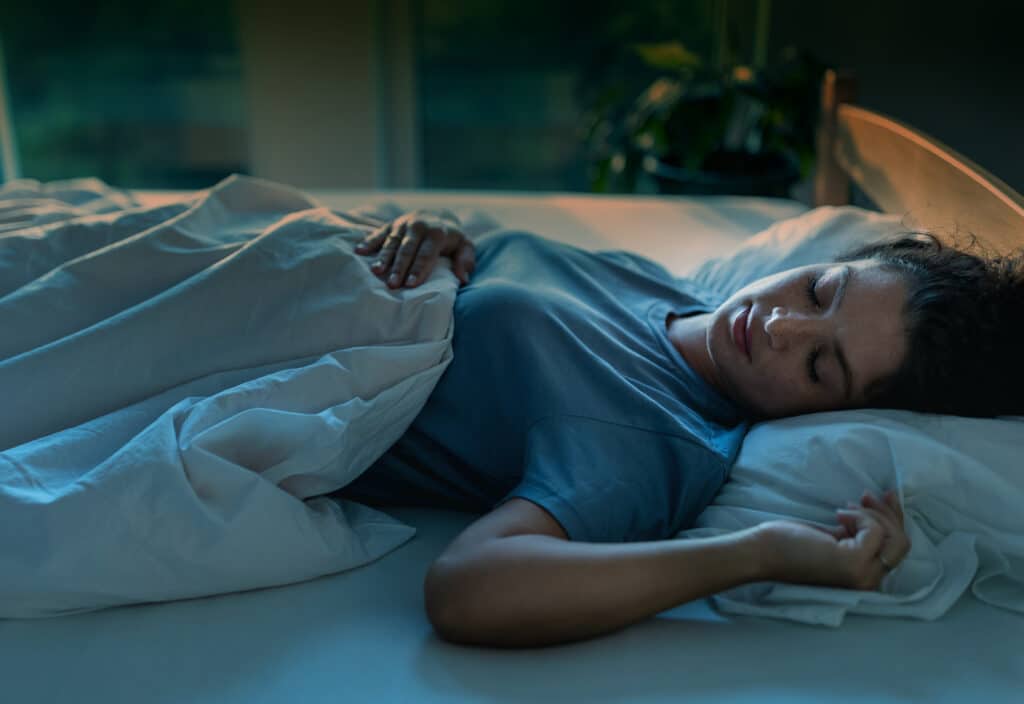
Even small improvements in sleep can make the brain less reactive to stress the next day. Experimental research shows that sleep loss heightens anxiety reactivity; the upside is that better sleep habits steadily reduce vulnerability to panic attack symptoms.4 Small steps—consistent bedtime, light blocking, wind‑down routines—pay off quickly.
[Try this: Anxiety and Sleep: 6 Ways to Break the Insomnia Cycle Naturally]
5) Your breath is a built‑in brake for panic attack symptoms
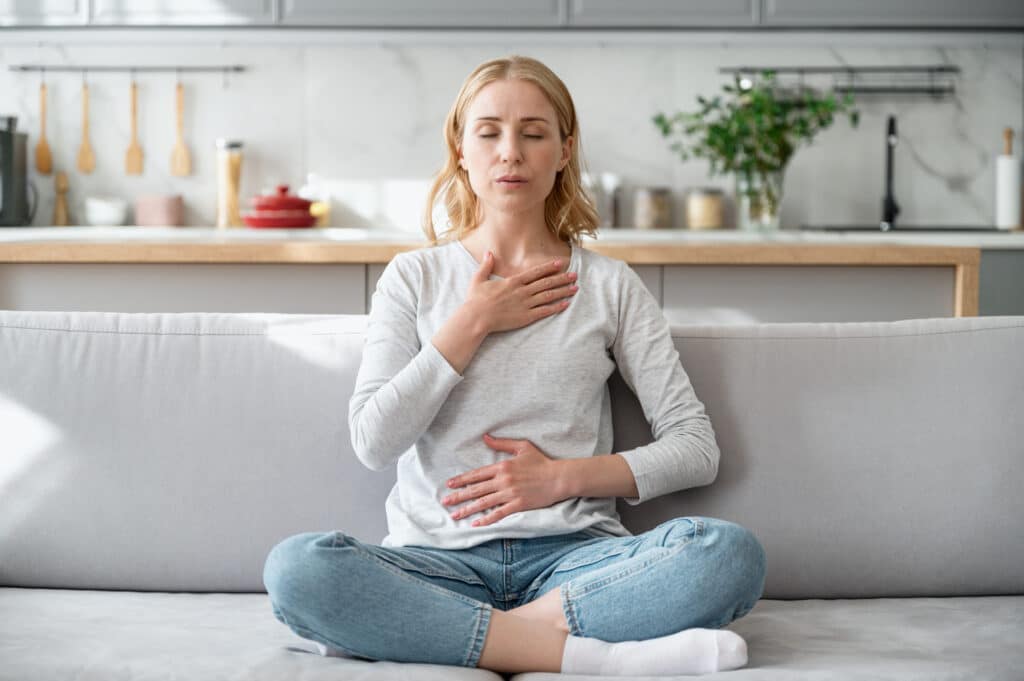
Stress often leads to fast, shallow breathing that lowers CO₂ and triggers dizziness, tingling, and chest tightness—core panic attack symptoms. The hopeful part: you can reverse this within minutes. A simple 4‑second inhale and 6‑second exhale helps restore balance and steadies your nervous system. Many people report noticeable relief in under two minutes.2
Try this now for 1-2 minutes: Inhale for 4, exhale for 6, relax your shoulders and jaw, and keep your attention on the lengthened exhale.
[Next read: 4 Ways Freespira Is Different From Other Breathing Exercises]
6) Thought skills turn spirals into steady ground
CBT (cognitive‑behavioral therapy) teaches practical ways to reframe catastrophic thoughts (e.g., “This feels dangerous” → “This is uncomfortable, not dangerous”). These skills are learnable and effective, helping many people reduce panic attack symptoms and regain everyday freedom.
7) Panic disorder is more common than you think—and responds well to care
If you’ve had repeated attacks and now worry about the next one, you’re not alone. Repeated panic attacks can be a symptom of panic disorder. Panic disorder affects millions annually, and evidence‑based treatments (CBT, exposure work, and, when appropriate, medication) help most people improve meaningfully. Early skills practice plus professional support can shorten recovery time and restore confidence.
[See how Freespira helps: Real Voices, Real Journeys]
8) Small lifestyle shifts add up to lasting calm
Reducing stimulants (like high caffeine), moving your body most days, practicing mindfulness, and caring for relationships steadily lower baseline anxiety and make panic attack symptoms less likely. Many people find that a few consistent habits beat one‑off “perfect” routines. Progress over perfection wins here.
9) How to stop a panic attack—your hopeful, step‑by‑step plan
When panic attack symptoms surge, use this encouraging protocol:
- Name it: “This is a panic attack; it will pass.” (Labeling calms the brain’s alarm.)
- Lengthen the exhale: 4‑in/6‑out for 2–3 minutes to steady CO₂ and reduce physical panic attack symptoms. Freespira can help retrain your breathing to regulate your CO₂.
- Ground to the present: Notice 5 things you can see, 4 you can feel, 3 you can hear. (Directs attention outward.)
- Reframe with compassion: “Uncomfortable does not equal dangerous. My body is doing its best to protect me.” (CBT principle.)
- Gentle aftercare: Hydrate, light movement, sunlight if possible, and jot a note about what helped—so future‑you is ready.
A hopeful, structured option for prevention: Freespira
Because CO₂ regulation and breathing patterns play a central role in panic attack symptoms, some people prefer a guided, measurable way to retrain their breath.
Freespira is an FDA‑cleared treatment designed to normalize CO₂ levels and respiratory rate and reduce panic symptoms. Clinical evidence shows reductions in panic attack symptoms for individuals using this protocol, and Freespira reviews commonly mention fewer attacks, greater control, and renewed confidence in stressful situations.
Looking for a supportive, step‑by‑step path that complements the skills above? Freespira may be a good fit to help you prevent future episodes.
Take this quiz to see if Freespira is right for you.
When to check in with a clinician (an empowering step)
If symptoms feel new, different, or severe—especially chest pain or fainting—seek medical care to rule out other causes and get tailored guidance. Many people feel more hopeful after a check‑in because they leave with clarity and a plan.