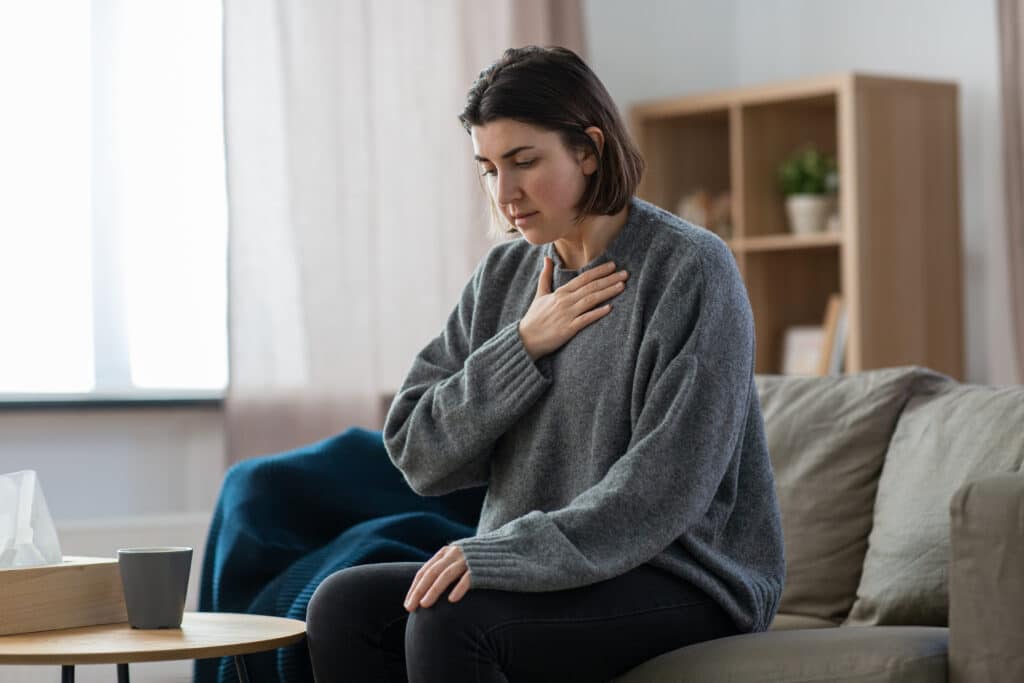

If you’ve ever had a panic attack, you know how scary it can be. Your heart races, your chest tightens, and you feel like you’re losing control. But the good news is—you can learn how to stop panic attacks fast with simple, proven techniques.
In this blog, we’ll explore five effective ways to prevent panic attacks before they start. These tips are backed by science and include Freespira’s FDA-cleared breathing treatment for panic attacks. Whether you experience panic occasionally or regularly, these strategies can help you feel more in control.
What Is a Panic Attack?
A panic attack is a sudden wave of intense fear or discomfort. It usually peaks within minutes and can include symptoms like:
- Rapid heartbeat
- Shortness of breath
- Chest pain
- Dizziness
- Sweating
- Feeling like you’re choking or dying
Panic attacks often happen without warning and can feel overwhelming. According to the National Institute of Mental Health, about 6 million adults in the U.S. experience panic disorder each year.1
Why Do Panic Attacks Happen?
Panic attacks are often triggered by changes in breathing. When you breathe too fast or shallowly, your carbon dioxide (CO₂) levels can drop. This can cause dizziness, chest tightness, and other symptoms that make anxiety worse.
That’s why breathing therapy for panic is one of the most effective ways to stop panic attacks before they start. It helps regulate your breathing and restore balance to your nervous system.
5 Proven Ways to Stop Panic Attacks Fast
1. Practice Deep Breathing
- Slow, deep breathing helps calm your nervous system. Try this simple technique:
- Sit or lie down.
- Breathe in slowly through your nose for 4 seconds.
- Hold your breath for 7 seconds.
- Breathe out through your mouth for 8 seconds.
This is called the 4-7-8 breathing technique, and it’s proven to help with anxiety and panic.2 This method helps restore CO₂ balance and reduce panic symptoms. It’s one of the easiest and fastest ways to feel better.
2. Use Grounding Techniques
Grounding helps you stay in the present moment. One popular method is the 5-4-3-2-1 technique:3
- 5 things you can see
- 4 things you can touch
- 3 things you can hear
- 2 things you can smell
- 1 thing you can taste
This technique distracts your brain from fear and brings you back to reality.
3. Try Freespira Breathing Therapy
Freespira is a 28-day, at-home program that retrains your breathing to prevent panic attacks. It’s the only FDA-cleared treatment for anxiety, panic attacks, panic disorder, and PTSD symptoms.*
Here’s how it works:
- Two 17-minute sessions per day
- A sensor tracks your breathing and CO₂ levels
- A tablet gives real-time feedback
- Weekly coaching sessions
Freespira helps reduce the impact of CO₂ hypersensitivity —a major trigger for panic attacks.
Clinical Results That Back It Up
Freespira has shown impressive results in clinical studies:
- 86% were panic-free after treatment4
- 73% remained panic-free one year later4
- 82% of PTSD patients saw major improvements5
These results show that Freespira is a powerful tool for panic attack prevention.
4. Limit Caffeine and Alcohol
Caffeine and alcohol can trigger panic attacks. Caffeine stimulates your nervous system, while alcohol can disrupt sleep and increase anxiety. Try cutting back or switching to herbal teas.
5. Get Regular Exercise
Exercise helps release endorphins, which improve mood and reduce stress. Even a 20-minute walk can help prevent panic attacks and improve overall mental health.
According to Harvard Health, regular movement is one of the best ways to manage anxiety naturally.6
You don’t have to live in fear of panic attacks. These five tips—including Freespira’s breathing treatment—can help you feel more in control and reduce anxiety. Whether you’re just starting your journey or looking for new tools, these strategies offer real hope.
Take the Next Step
Want to know if Freespira is right for you? Take our free, online symptom quiz to find out how Freespira can help you stop panic attacks and feel better—naturally.