If you’re looking for a natural anxiety treatment that doesn’t involve medication, you’re not alone. Millions of people are searching for drug-free anxiety solutions that help them feel calm, focused, and in control—without the side effects of prescription drugs.
In this blog, we’ll explore 7 proven methods for managing anxiety naturally, including Freespira’s FDA-cleared breathing treatment. These alternative anxiety therapies are safe, effective, and easy to start at home.
Why Choose Natural Anxiety Treatment?
Prescription medications like SSRIs and benzodiazepines can help with anxiety, but they often come with unwanted side effects such as:
- Fatigue
- Weight gain
- Brain fog
- Dependency or withdrawal symptoms
That’s why many people are turning to natural anxiety relief options that support mental health without medication. Natural treatments focus on calming the nervous system, improving breathing, and building healthy habits.
1. Mindfulness-Based Stress Reduction (MBSR)
Mindfulness-Based Stress Reduction (MBSR) is a powerful tool for managing anxiety. It combines meditation, breath awareness, and gentle movement to help you stay present and reduce worry.
A 2022 study published in JAMA Psychiatry found that MBSR was as effective as Lexapro, a common anxiety medication.1
2. Cognitive Behavioral Therapy (CBT)
Cognitive Behavioral Therapy (CBT) is one of the most common anxiety therapies. It helps you identify negative thought patterns and replace them with healthier ones. CBT can be done with a therapist or through online programs.
3. Regular Exercise
Exercise is a natural mood booster. It releases endorphins, reduces stress hormones, and improves sleep—all of which help reduce anxiety.
Even a 20-minute walk can make a big difference in how you feel.2
4. Sleep Hygiene
Poor sleep can make anxiety worse.3 Practicing good sleep habits—like going to bed at the same time each night and avoiding screens before bed—can help break the cycle of anxiety and insomnia.
5. Nutrition and Supplements
What you eat affects how you feel. A diet rich in whole foods, omega-3 fatty acids, and magnesium can support brain health and reduce anxiety.
Some helpful supplements include:
- Ashwagandha – an adaptogen that helps regulate stress
- Magnesium – supports nervous system function
- Chamomile – known for its calming effects4
Always talk to a healthcare provider before starting supplements.
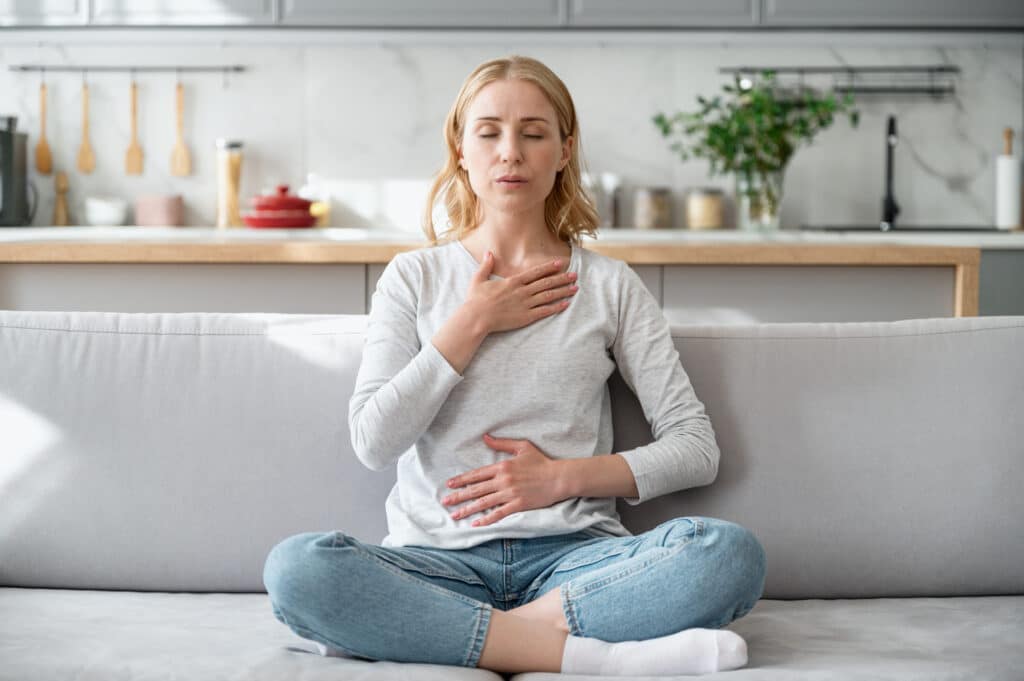
6. Breathing Exercises
Breathing slowly helps calm your nervous system. Try this simple technique:
- Breathe in through your nose for 4 seconds
- Hold for 4 seconds
- Breathe out through your mouth for 6 seconds
Doing this for just a few minutes can reduce anxiety quickly.
7. Freespira Breathing Therapy
Freespira is an FDA-cleared, at-home breathing treatment that helps retrain your body’s response to stress. It’s designed for people with panic attacks, PTSD symptoms, and anxiety.*
The program includes:
- Two 17-minute sessions per day for 28 days
- A sensor that tracks your breathing and CO₂ levels
- A tablet with real-time feedback
- Weekly coaching from a specialist
Freespira helps reduce hypersensitivity to carbon dioxide—a known trigger for panic attacks.
Real Results
Freespira has helped thousands of people:
- 86% were panic-free after treatment5
- 73% remained panic-free one year later5
- 82% of PTSD patients saw major improvements6
These results show that Freespira is a powerful natural anxiety treatment option.
If you’re ready to explore natural anxiety treatment, these seven options offer safe and effective ways to feel better—without medication. Whether you try mindfulness, breathing exercises, or Freespira’s guided therapy, you’re taking a step toward lasting relief.